
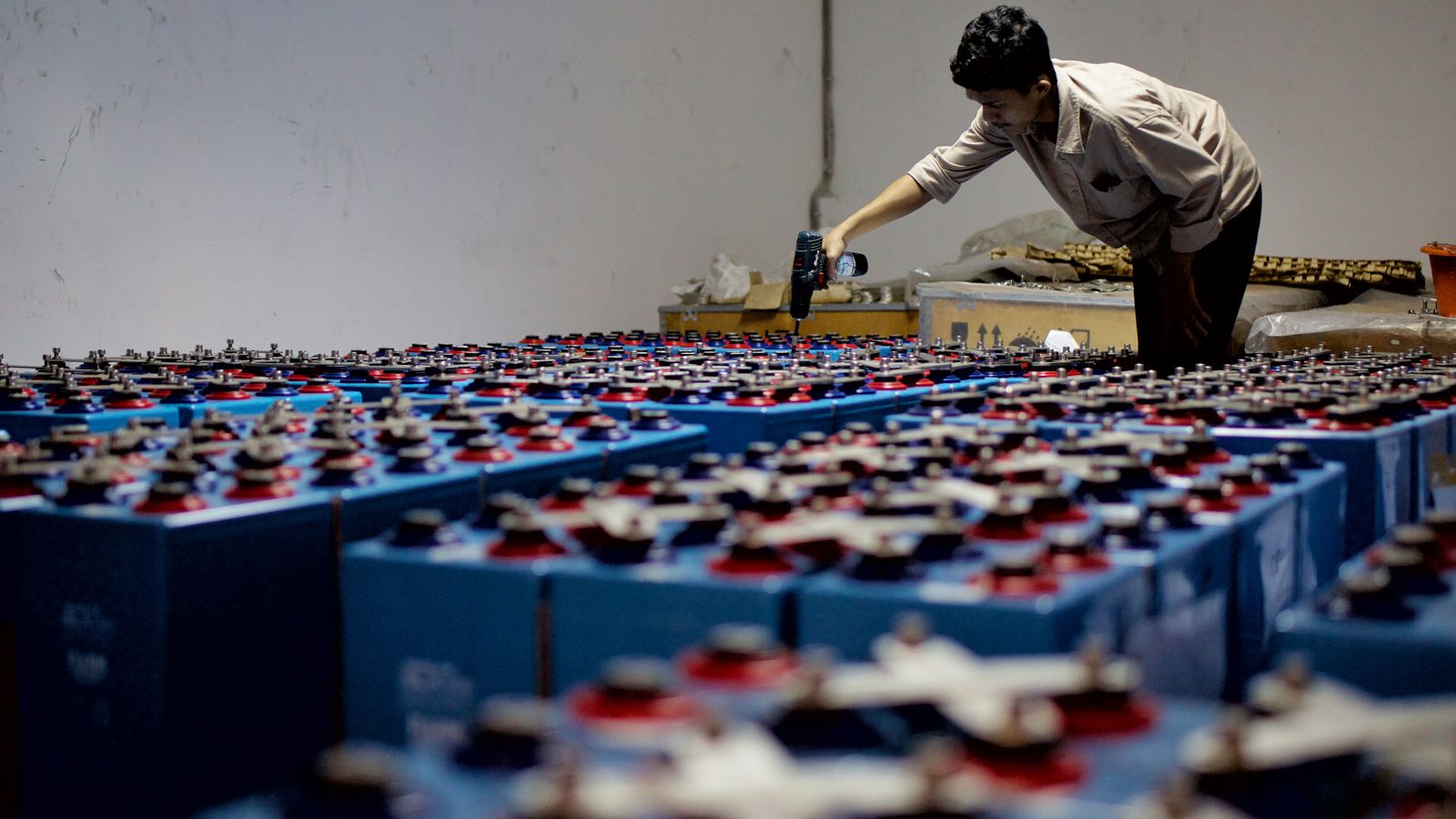
The battery is usually the most expensive part of an inverter system, and the part that decides how long your power lasts when NEPA takes light. In Nigeria the choice is mostly between tubular lead-acid batteries and lithium batteries (usually LiFePO4, lithium iron phosphate). Searches for lithium batteries have grown fast this year, so here is how the two really compare.
How much of the battery you can actually use
This is the difference most people miss.
- Lithium: you can safely use about 85 to 90% of the stored energy every night.
- Tubular: to keep it healthy, you should only use about half. Draining it flat regularly shortens its life a lot.
So a 5 kWh lithium battery gives you roughly as much usable power as about 8 to 9 kWh of tubular batteries.
How long they last
- Lithium (LiFePO4): typically rated for thousands of charge cycles. With one cycle a day, that is many years of service.
- Tubular: rated for far fewer cycles, and in practice they often need replacing after a few years of daily use, sooner if they are drained deeply or not maintained.
Maintenance and safety
- Tubular (flooded) batteries need distilled water topping, must stand in a ventilated space because they release gas while charging, and are very heavy.
- Lithium batteries are sealed, maintenance-free and much lighter. A good one has a built-in BMS (battery management system) that protects it from over-charging, over-heating and draining too far.
Upfront price vs cost per year
Tubular batteries are cheaper to buy. Lithium costs more at the start. But because lithium gives more usable energy and lasts several times longer, the cost per year of use is usually lower with lithium. If you plan to stay in the house for a few years and use your inverter daily, lithium usually works out better. If your budget is tight right now, or the system is for occasional backup, tubular can still make sense.
Check before you buy
- Your inverter must support lithium. Older inverters may only have lead-acid charging settings. Many hybrid inverters support lithium, and some talk to the battery's BMS directly.
- Match the voltage. Batteries must match the inverter's system voltage (12, 24 or 48 V).
- Ask for the real capacity in kWh and the cycle rating at a stated depth of discharge, in writing.
- Ask about warranty and who services it in Nigeria.
Not sure how big a battery you need? Use the size estimator in our inverter and solar buying guide.
Get it installed properly
A battery is only as good as its installation: correct cable sizes, a breaker or fuse between the battery and the inverter, and the right charging settings. On BetaWork you can get quotes from verified solar and inverter installers in Lagos, with equipment and labour priced separately and your money held safely until the system works.
 Get it on Google Play
 iPhone: coming soon