
BetaWork › Solar and inverter › Buying guide
Inverter prices in Nigeria: what size you need and what affects the cost
Updated 6 November 2026 · 8 min read
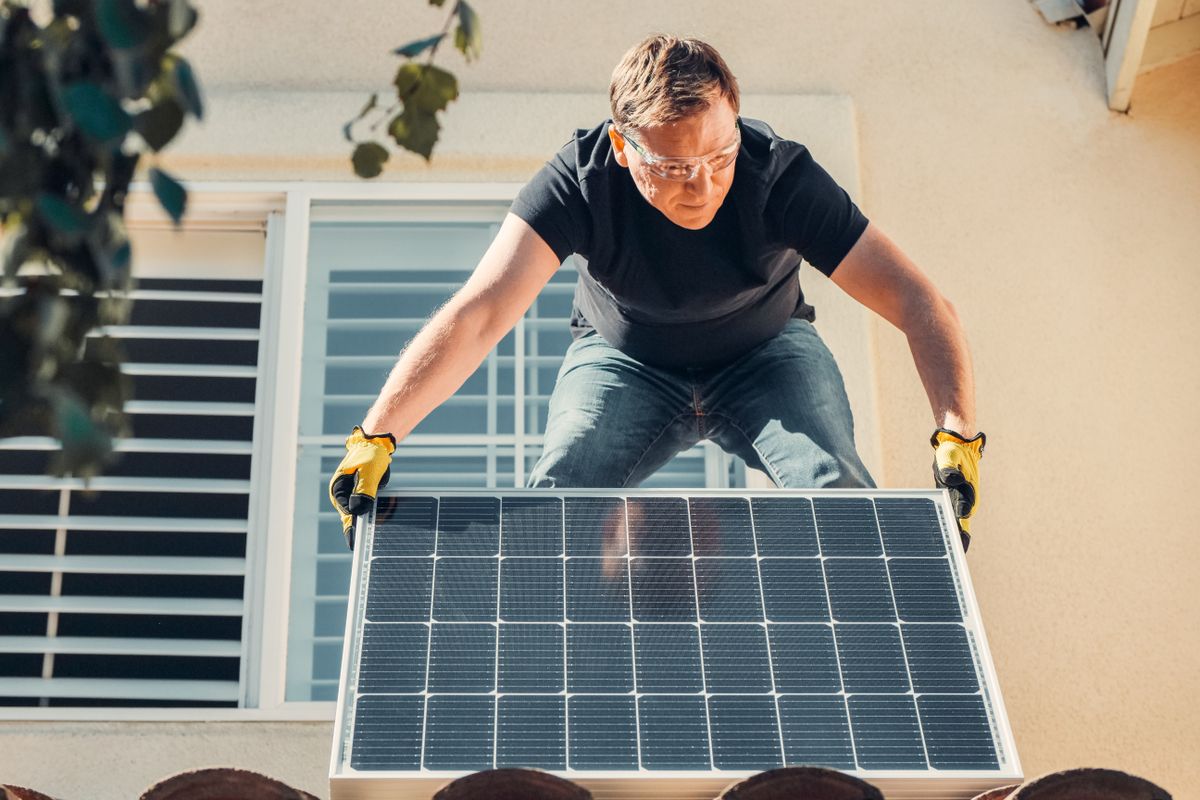
Most people start by searching for the price of an inverter. But the right price depends on one thing first: what you want to run, and for how long. Buy too small and it trips every time the freezer starts. Buy too big and you pay for power you never use. This guide helps you work out the size, understand the options and spot what is worth paying for.
Estimate your size
Choose what you want to run during a power cut.
A rough estimate from typical appliance power, to help you compare quotes. A good installer checks your actual appliances, wiring and roof before recommending a system. Get quotes from verified installers →
1. Inverter size: kVA, watts and the 80% rule
Inverters are sold in kVA. As a rule of thumb, 1 kVA carries about 800 watts, so a 3.5 kVA inverter carries about 2,800 W and a 5 kVA about 4,000 W. Plan to use no more than about 80% of that, so the inverter runs cool and lasts.
Motors need extra power for a moment when they start. A fridge, freezer, pumping machine or air conditioner can draw two to three times its normal power for a second or two. That is why a system that runs fine with lights and fans can trip when the pumping machine kicks in.
- 1 to 1.5 kVA: lights, fans, TV, decoder, Wi-Fi, laptops and phone charging.
- 2.5 to 3.5 kVA: the above plus a fridge or freezer, and a small pumping machine used on its own.
- 5 kVA: a whole flat including a fridge, freezer and pump, and often one air conditioner. See what a 5kVA inverter can carry.
- 7.5 kVA and above: larger homes, several air conditioners or small offices.
2. Batteries decide how long the power lasts
The inverter decides how much you can run at once. The batteries decide for how long. Battery capacity is measured in kWh: a 5 kWh battery bank can supply 1,000 W for about four hours once you allow for losses and the part of the battery you should not use.
- Lithium (LiFePO4): higher price, but thousands of charge cycles, about 85 to 90% usable, no water topping, light and compact.
- Tubular lead-acid: lower price, but only about half should be used each night, they need distilled water and ventilation, and they wear out sooner.
Read the full comparison: lithium vs tubular inverter battery.
3. Solar panels: recharge without NEPA or fuel
Without solar, your batteries recharge only when grid power returns or you run a generator. With panels, they recharge from the sun. Lagos averages roughly 4 to 5 hours of full sun a day, so 1 kW of panels produces around 3 to 4 kWh on a typical day after losses. The estimator above uses this to suggest how many panels you need to refill your batteries daily. Rainy-season days produce less, so many homes add one or two extra panels.
4. Hybrid inverters
A hybrid inverter includes the solar charge controller (MPPT) and switches between solar, battery and grid on its own. It is the usual choice for a new system and makes adding panels later easy. Check its maximum solar input voltage, whether it supports lithium batteries, and whether it is pure sine wave. More here: hybrid inverter: is it worth it?
5. What makes the price go up or down
- Size: a 5 kVA costs more than a 3.5 kVA, but buying too small is the most expensive mistake.
- Battery type and capacity: often the biggest part of the cost. More kWh means more hours.
- Hybrid or not: a built-in MPPT charge controller costs more but saves buying one separately.
- Pure sine wave output: safer for fridges, ACs and electronics. Avoid modified sine wave for motors.
- Brand, warranty and service: brands sold widely in Nigeria include Felicity, Deye, SRNE, itel and others. A local service centre and a real warranty matter more than the name.
- Installation: cables of the right size, breakers, surge protection, earthing, a changeover, panel mounting and labour. Cheap installation is the most common cause of fires and failures.
Prices change often with the exchange rate, so compare current quotes for the same specification: inverter kVA, battery kWh and type, number and wattage of panels, and what installation includes.
6. Before you pay anyone
- Ask for a written quote that lists every item and its specification, plus labour separately.
- Ask the installer to check your appliances and wiring before recommending a size.
- Insist on breakers, surge protection and proper earthing.
- Do not pay everything upfront. Read why you should never pay an artisan the full amount upfront.
Questions
What size inverter do I need for my house?
Add up the power of everything you want to run at the same time and choose an inverter that carries it at no more than 80% of its rating. One kVA carries about 800 W. A flat with lights, fans, a TV and a fridge usually needs 1.5 to 2.5 kVA; adding a freezer, pumping machine or a 1 HP air conditioner usually means 3.5 to 5 kVA. Use the estimator on this page for your own list.
Is a lithium battery better than a tubular battery?
Lithium (LiFePO4) costs more at the start but lasts several times as many charge cycles, can be used almost fully, needs no water topping and is much lighter. Tubular batteries cost less upfront but should only be run down about halfway, need maintenance and wear out sooner. Over the life of the system, lithium is usually cheaper per year of use.
What can a 5kVA inverter carry?
About 4,000 W at once. That is enough for lights, fans, TVs, a fridge, a freezer, laptops and a pumping machine, and usually one 1 HP or 1.5 HP air conditioner if the batteries and solar panels are big enough. Avoid running an AC, a pressing iron and a microwave together.
What is a hybrid inverter?
A hybrid inverter combines the inverter, battery charger and solar charge controller (MPPT) in one box. It can run your home from solar panels, batteries or grid power and switch between them automatically. It is simpler to install than separate parts and is the usual choice for new solar systems.
Why do inverter prices vary so much?
The size (kVA), the type and capacity of the batteries, whether it is a hybrid with a solar charge controller, pure sine wave output, the brand and warranty, and installation: cables, breakers, surge protection, earthing, panel mounting and labour.
Get quotes from verified solar and inverter installers
Post your job on BetaWork with your appliance list. NIN-verified installers in Lagos send quotes with equipment and labour shown separately, and your money is held safely until the system is working.
 Get it on Google Play
 iPhone: coming soon